












Thousands of cases of the mosquito-borne disease have been reported in Guangdong, while Hong Kong has so far recorded five cases of the illness which can lead to serious joint pains.
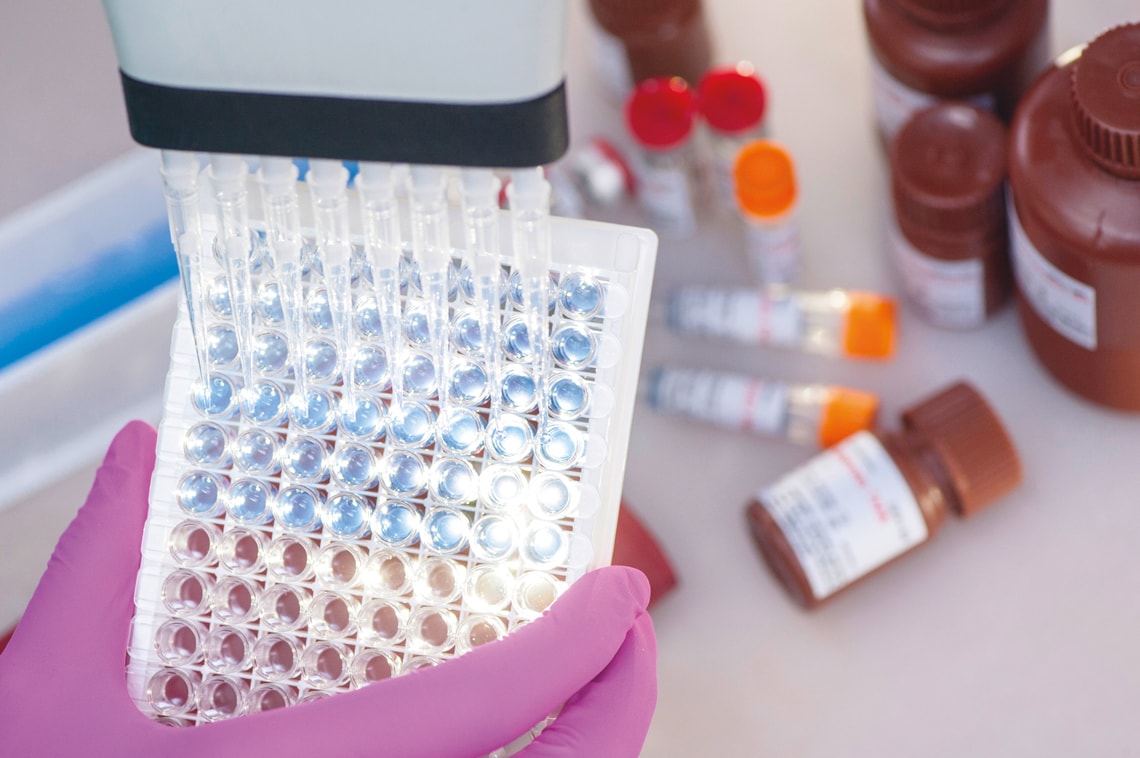
The Centre for Health Protection’s Albert Au told lawmakers that test kits found in the market are meant for laboratories and that they should only be administered by healthcare professionals as they involve taking blood samples.
“Because in the first seven days of onset, the human body cannot produce sufficient antibodies to a level that could be detected, so there’s a chance of creating a fake negative situation for a patient.” he said at a special food safety and environmental hygiene panel meeting in the Legislative Council.
Au stressed that as many Hong Kong residents go on holiday during the summer, the risk of imported cases remains high and that they could lead to sporadic local outbreaks.
Officials added that in the first seven months of this year, some 84 prosecutions were pursued over stagnant water, with the majority of them involving construction sites.
They stressed that if people ignore legal requests to clear such water, more prosecutions will be pursued.
Lawmaker Chan Hoi-yan, a political assistant to a health secretary at one stage, asked how officials plan to prepare for the start of a new school year come September.
Environmental chief Tse Chin-wan said officials will work with the Education Bureau in this regard.
He noted that schools should find pest-control work around their campuses to be effective as mosquitoes are generally active within a 100-metre radius.