











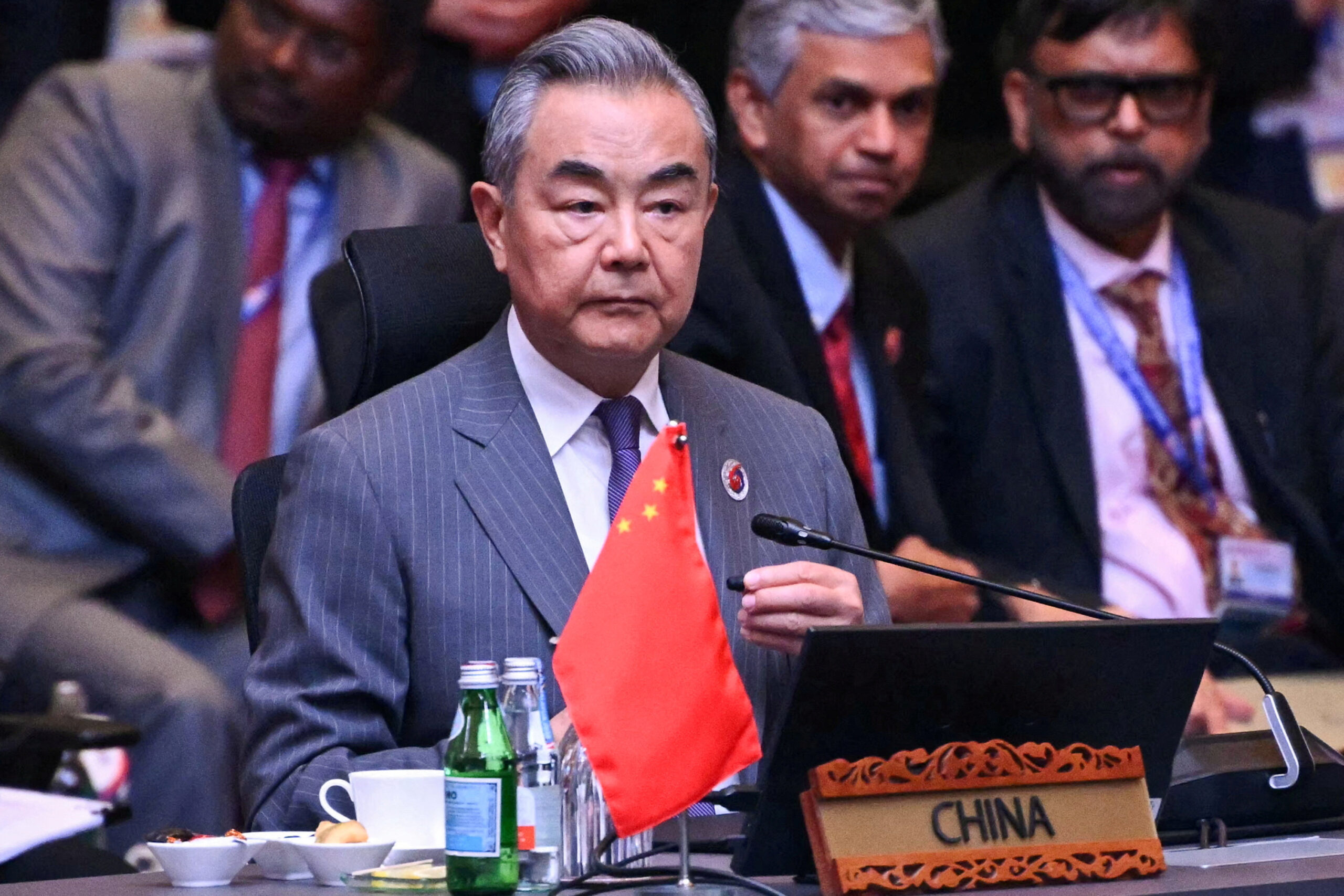
The latest statements came at the end of Foreign Minister Wang Yi’s two-day visit to New Delhi for the 24th round of talks with Indian National Security (NSA) Advisor Ajit Doval to resolve their decades-old border dispute.
Xinhua News Agency quoted Wang as saying that bilateral relations between China and India have entered a steady development track since the beginning of the year, and the boundary situation has continued to stabilise and improve.
He said the two sides had reached a new consensus on conducting regular management and control to maintain peace in border areas. “Sensitive points” would be appropriately handled, he added, and negotiations on boundary issues would be initiated in areas where conditions are met.
The Indian foreign ministry, meanwhile, said the border talks covered issues related to pulling back troops both countries have amassed on their Himalayan border, delimitation of borders and boundary affairs.
Wang also held a meeting with Indian Prime Minister Narendra Modi, who stressed that India and China are partners, not rivals, and should increase exchanges, promote mutual understanding and expand cooperation, Xinhua said.
He added that the two sides should properly manage and settle boundary issues, so that differences will not evolve into conflict.
“Stable, predictable, constructive ties between India and China will contribute significantly to regional as well as global peace and prosperity,” Modi posted on X after the meeting.
Modi is scheduled to travel to China at the end of this month to take part in the summit of the Shanghai Cooperation Organisation — his first visit to the country in more than seven years.
Wang welcomed Modi’s attendance at the upcoming summit, saying his India visit had paved the way for high-level exchanges between the two countries.
The Foreign Minister said during his New Delhi trip, the two sides had reached consensus on restarting dialogue mechanisms in various fields, deepening mutually beneficial cooperation, upholding multilateralism, jointly addressing global challenges, and opposing unilateral bullying. (Xinhua/Reuters)