







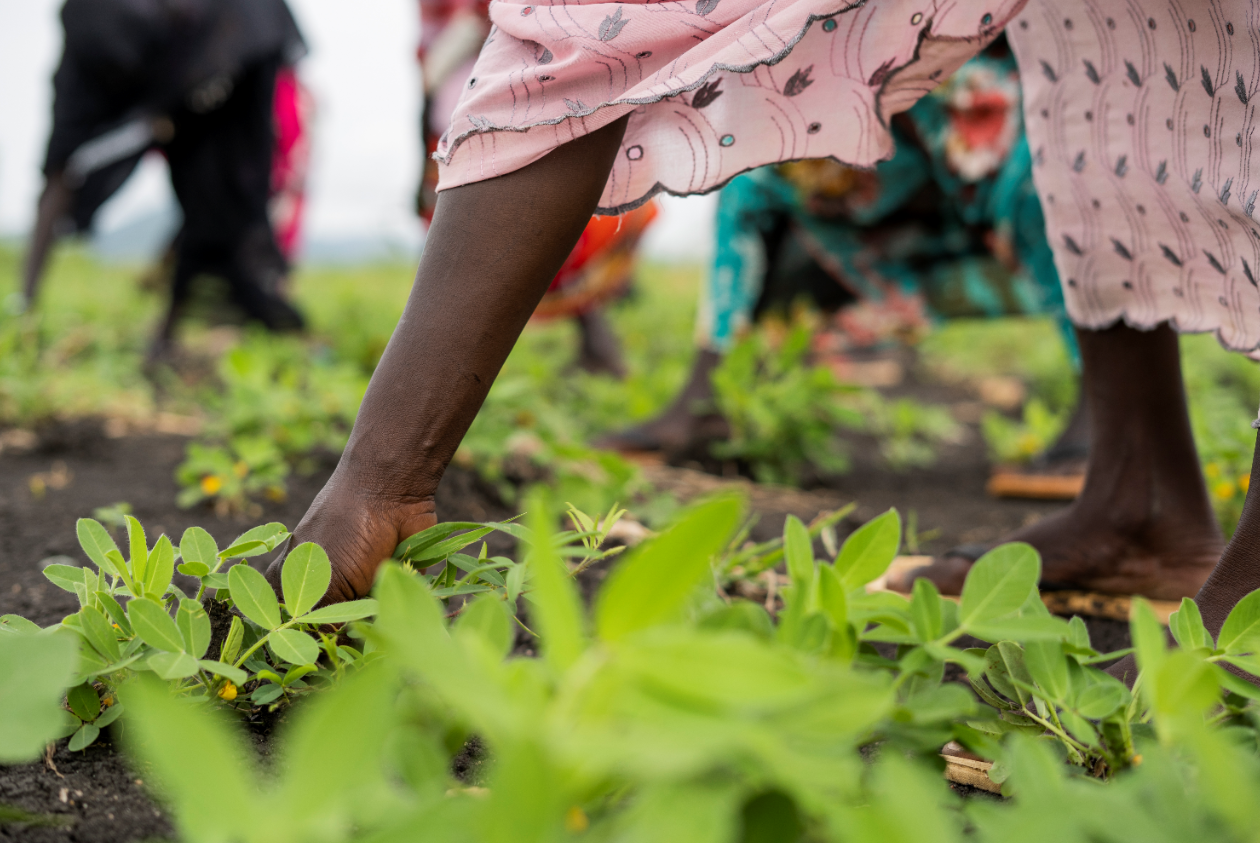
Good management of aid projects in developing countries reduces violence in those areas — but poorly managed projects increase the chances of local violence, according to a new study by an MIT economist.The research, examining World Bank projects in Africa, illuminates a major question surrounding international aid. Observers have long wondered if aid projects, by bringing new resources into developing countries, lead to conflict over those goods as an unintended consequence. Previously, some scholars have identified an increase in violence attached to aid, while others have found a decrease.The new study shows those prior results are not necessarily wrong, but not entirely right, either. Instead, aid oversight matters. World Bank programs earning the highest evaluation scores for their implementation reduce the likelihood of conflict by up to 12 percent, compared to the worst-managed programs.“I find that the management quality of these projects has a really strong effect on whether that project leads to conflict or not,” says MIT economist Jacob Moscona, who conducted the research. “Well-managed aid projects can actually reduce conflict, and poorly managed projects increase conflict, relative to no conflict. So, the way aid programs are organized is very important.”The findings also suggest aid projects can work well almost anywhere. At times, observers have suggested the political conditions in some countries prevent aid from being effective. But the new study finds otherwise.“There are ways these programs can have their positive effects without the negative consequences,” Moscona says. “And it’s not the result of what politics looks like on the receiving end; it’s about the organization itself.”Moscona’s paper detailing the study, “The Management of Aid and Conflict in Africa,” is published in the November issue of the American Economic Journal: Economic Policy. Moscona, the paper’s the sole author, is the 3M Career Development Assistant Professor in MIT’s Department of Economics.Decisions on the groundTo conduct the study, Moscona examined World Bank data from the 1997-2014 time period, using the information compiled by AidData, a nonprofit group that also studies World Bank programs. Importantly, the World Bank conducts extensive evaluations of its projects and includes the identities of project leaders as part of those reviews.“There are a lot of decisions on the ground made by managers of aid, and aid organizations themselves, that can have a huge impact on whether or not aid leads to conflict, and how aid resources are used and whether they are misappropriated or captured and get into the wrong hands,” Moscona says.For instance, diligent daily checks about food distribution programs can and have substantially reduced the amount of food that is stolen or “leaks” out of the program. Other projects have created innovative ways of tagging small devices to ensure those objects are used by program participants, reducing appropriation by others.Moscona combined the World Bank data with statistics from the Armed Conflict Location and Event Data Project (ACLED), a nonprofit that monitors political violence. That enabled him to evaluate how the quality of aid project implementation — and even the quality of the project leadership — influenced local outcomes.For instance, by looking at the ratings of World Bank project leaders, Moscona found that shifting from a project leader at the 25th percentile, in terms of how frequently projects are linked with conflict, to one at the 75th percentile, increases the chances of local conflict by 15 percent.“The magnitudes are pretty large, in terms of the probability that a conflict starts in the vicinity of a project,” Moscona observes.Moscona’s research identified several other aspects of the interaction between aid and conflict that hold up over the region and time period. The establishment of aid programs does not seem to lead to long-term strategic activity by non-government forces, such as land acquisition or the establishment of rebel bases. The effects are also larger in areas that have had recent political violence. And armed conflict is greater when the resources at stake can be expropriated — such as food or medical devices.“It matters most if you have more divertable resources, like food and medical devices that can be captured, as opposed to infrastructure projects,” Moscona says.Reconciling the previous resultsMoscona also found a clear trend in the data about the timing of violence in relation to aid. Government and other armed groups do not engage in much armed conflict when aid programs are being established; it is the appearance of desired goods themselves that sets off violent activity.“You don’t see much conflict when the projects are getting off the ground,” Moscona says.” You really see the conflict start when the money is coming in or when the resources start to flow. Which is consistent with the idea of the relevant mechanism being about aid resources and their misappropriation, rather than groups trying to deligitimize a project.”All told, Moscona’s study finds a logical mechanism explaining the varying results other scholars have found with regard to aid and conflict. If aid programs are not equally well-administered, it stands to reason that their outcomes will not be identical, either.“There wasn’t much work trying to make those two sets of results speak to each other,” says Moscona. “I see it less as overturning existing results than providing a way to reconcile different results and experiences.”Moscona’s findings may also speak to the value of aid in general — and provide actionable ideas for institutions such as the World Bank. If better management makes such a difference, then the potential effectiveness of aid programs may increase.“One goal is to change the conversation about aid,” Moscona says. The data, he suggests, shows that the public discourse about aid can be “less defeatist about the potential negative consequences of aid, and the idea that it’s out of the control of the people who administer it.”

- Trending
- Comments
- Latest






Stay ahead with the latest insights on Hong Kong’s economy, finance, and investments. From market trends to policy updates, we bring you in-depth analysis and expert opinions.
📩 Subscribe to our newsletter for exclusive updates.
📍 Follow us on social media for real-time news.
📧 Contact us: info@hongkong-invest.com